Robots Are Already in the Kitchen
A few years ago, talk of robots in restaurants sounded like science fiction. In 2025, it’s becoming normal. From robotic burger assembly lines in California to automated avocado slicers and salad stations, U.S. operators are testing robotics to offset rising labor costs and streamline prep.
The question isn’t whether robotics will be part of the restaurant industry; it’s how and where they make financial sense.

Restaurants continue to battle persistent labor shortages and rising wage pressures. Robotics are increasingly attractive because they reduce repetitive tasks like chopping, slicing, or frying, while also delivering consistency in food preparation. Unlike human staff, robots don’t face turnover, overtime, or scheduling challenges, making them a stable resource for high-volume operations.
In an industry where every single percentage point in labor costs affects profitability, automation has clear appeal. Still, the question isn’t whether robots can do the work — it’s whether the investment delivers enough return to justify the high upfront costs.
Increase consistency in food prep
Operate without turnover or scheduling issues
Robotics are no longer confined to futuristic showcases; they’re being tested in real kitchens today. Quick-service brands in California are piloting burger-flipping robots and automated fryers, designed to handle back-of-house tasks during peak rushes. Some national chains have introduced avocado-slicing robots, reducing prep time while cutting down on waste and food safety risks. Beyond the kitchen, sidewalk delivery robots are appearing in U.S. cities, offering a glimpse at how automation may extend into last-mile service. While these examples generate headlines, the financial reality is mixed. Upfront capital costs remain steep, integration with existing workflows is complex, and ongoing maintenance requires planning. For many operators, these factors limit robotics to pilots rather than full-scale deployment.
Burger bots
Quick-service brands in California are piloting robotic grills and fryers.
Avocado slicers
Chains are deploying robots to reduce prep time and waste.
Delivery robotics
Some U.S. cities are testing sidewalk bots for last-mile delivery.
The Risks of Robotics Adoption
For every operator excited about robotics, there are just as many cautioning against the risks. The most obvious barrier is capital expenditure: robotics equipment often costs hundreds of thousands of dollars, putting it out of reach for smaller independents. Even when purchased, robots must be integrated into existing kitchen layouts, which can create bottlenecks or disrupt workflows if not carefully planned.
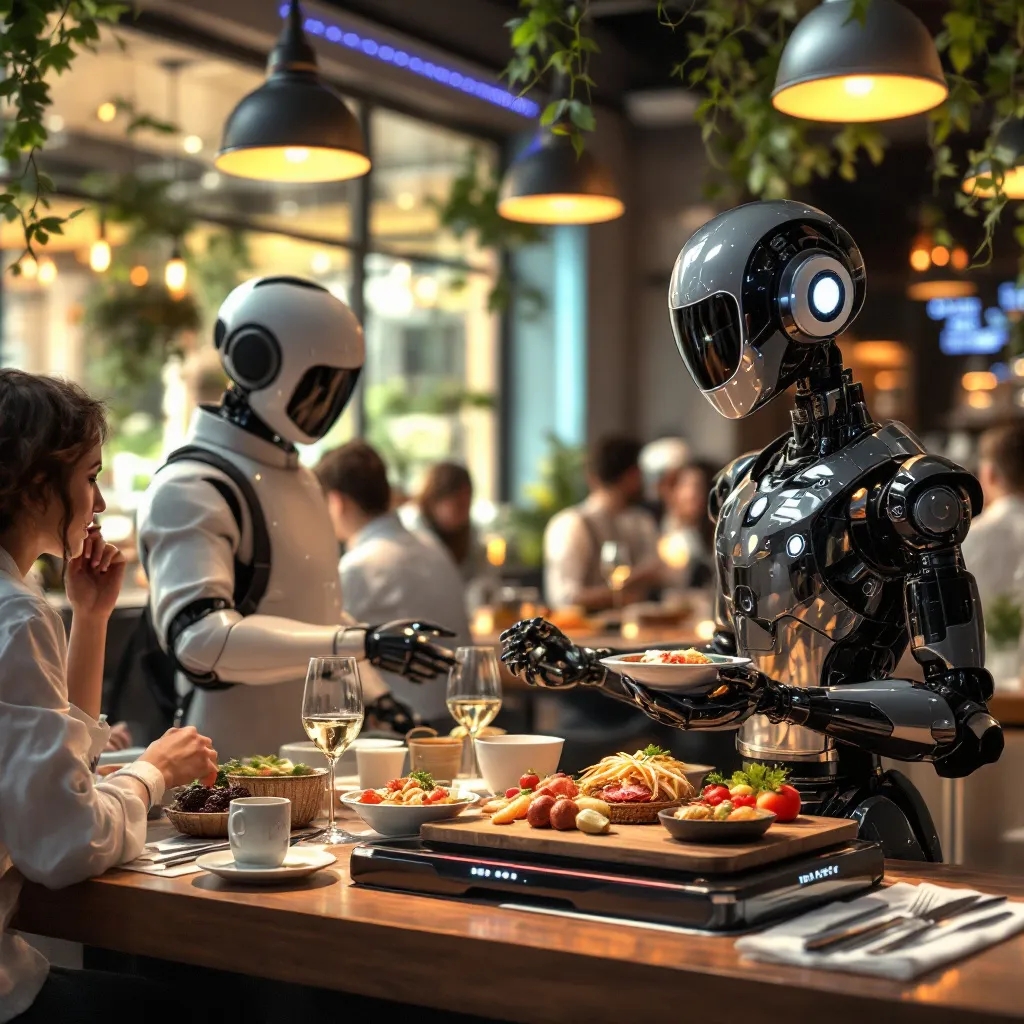
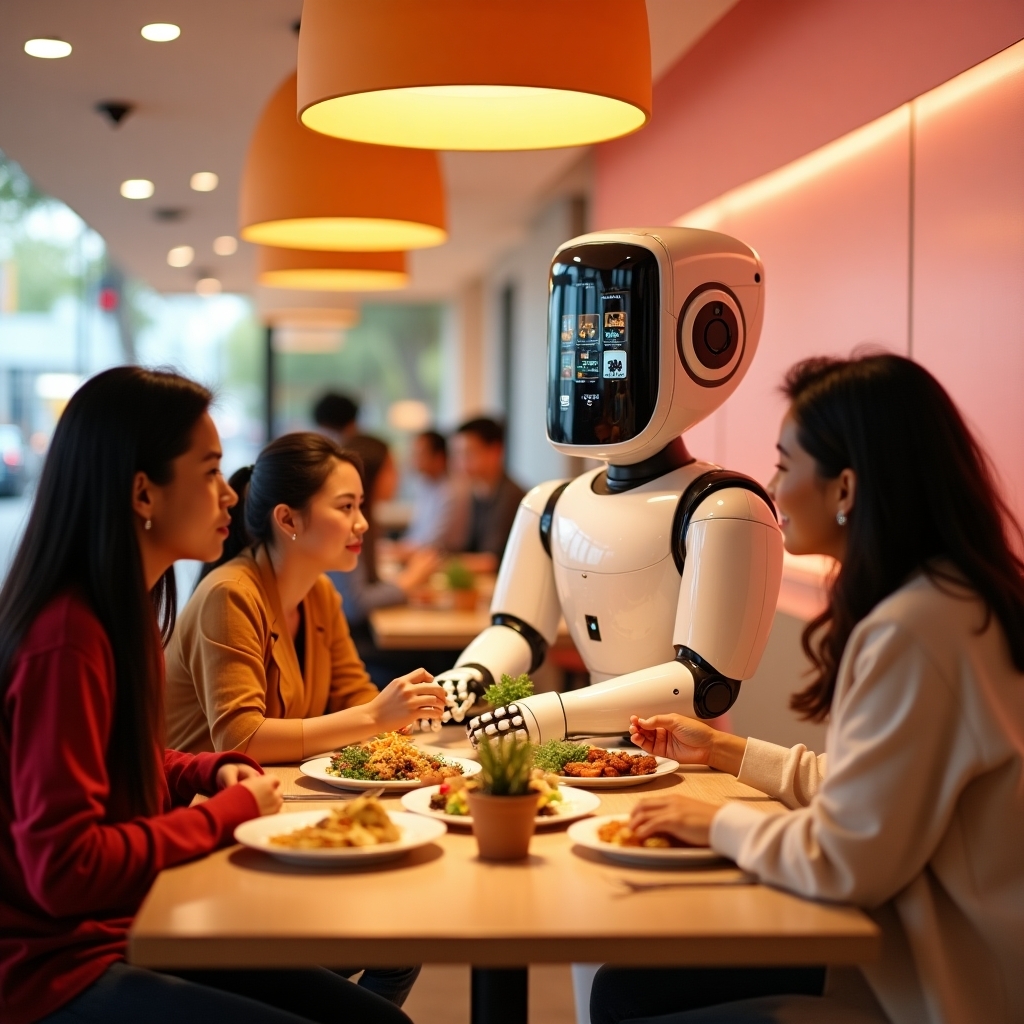
Guest perception is another factor. Some diners love the novelty and see robots as a sign of innovation, while others feel it strips away the human touch that makes dining enjoyable. The balance between efficiency and hospitality becomes critical in shaping how robotics are received.
Conclusion
Despite the risks, robotics do have a place in the U.S. restaurant industry. Large-scale chains are positioned to benefit most, since consistency across dozens or hundreds of locations magnifies ROI. High-volume kitchens, especially those with repetitive prep tasks, often see faster returns because automation saves both time and labor costs.
Independent restaurants, however, must carefully consider whether robotics align with their brand identity. In a business where personality, service, and atmosphere are core differentiators, technology should be seen as a support for staff rather than a replacement. Robots that chop, slice, or fry may free teams to focus on hospitality, but only when used strategically.